

Why are your brakes squeaking? In most cases, that high-pitched sound is coming from a small metal tab called a wear indicator, and it is doing exactly what it was designed to do. Brake pads are built with a wear indicator that starts squealing once the friction material wears down to roughly one-eighth to one-quarter inch remaining, a built-in early warning system for stopping power. But squeaking brakes when stopping is not always about worn pads. Rust, dust, cheap hardware, heat, and even a sticking caliper can all cause the same sound. Below, the team at Duggy’s Garage in Houston walks through the seven most common causes, how to tell a harmless squeak from a serious brake grinding noise, and when it is time to book an inspection.
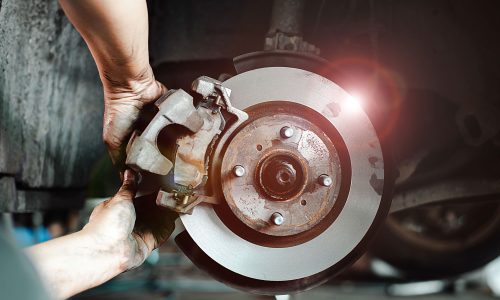
Most of the time, brakes squeak when braking because the pads have worn down far enough for the built-in metal indicator to touch the rotor. This is intentional. It is your car telling you the pads need attention before wear reaches the metal backing plate. Caught early, a pad replacement at Duggy’s Garage in Houston is usually a quick, affordable fix. Wait too long, and the sound changes to a harsher grinding, which gets expensive fast.
Here is a quick rundown of what each cause sounds like and how urgent it is:
High-pitched squeal that comes and goes. Moderate, schedule soon.
Light squeak or scraping. Low urgency.
Squeak for the first few stops, then quiet. Low urgency.
Faint squeak, especially when cold. Low urgency.
Rattly squeak that may come and go. Moderate urgency.
Squeal under hard braking. Moderate to high urgency.
Squeal plus the vehicle pulling to one side. High urgency.
This list sums up why a squeak on a Monday morning does not always mean the same thing as a squeak on the freeway. The louder or more constant the noise, and the more it is joined by pulling, vibration, or a soft pedal, the sooner the vehicle needs a look.
This is the single most common answer to why are your brakes squeaking. Most brake pads reach a minimum safe thickness of about 2mm before a small metal tab makes contact with the rotor, giving drivers time to replace pads before braking performance and safety are compromised. Once that tab starts talking, a pad replacement should get scheduled within the next week or two of driving.
Off-road driving, dusty parking lots, and long stretches without a wash can leave dust or small debris wedged between the pad and rotor. It sounds alarming, but it is usually cleared up with a routine brake inspection and cleaning rather than a full repair.
A light film of surface rust builds up on rotors overnight or after rain, especially on vehicles that sit for a day or two. The first few stops of the morning squeak as the rust wears off, then the noise disappears. This is one of the more common, least concerning reasons for squeaking brakes when stopping.
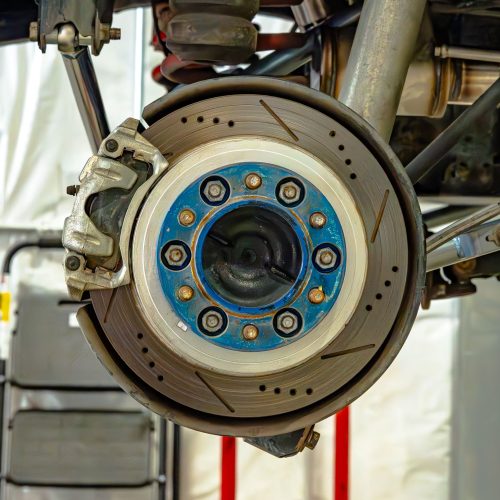
Heavier trucks and SUVs, including many of the Toyota and Lexus off-road builds Duggy’s Garage services, often use semi-metallic pads for extra stopping power. Squeaking can come from inadequate lubrication or from friction material with a metallic compound that naturally produces noise during braking. It is normal, not a defect.
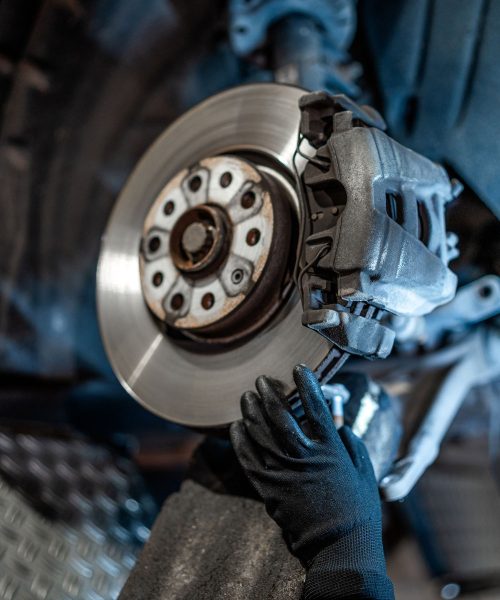
Pad clips and shims keep the pad steady against the caliper. When that hardware wears out or gets skipped during a DIY brake job, the pad can vibrate against the rotor and squeak. This is a common finding during a professional brake repair inspection.
Hard, repeated braking, like riding the brakes down a long grade, heats the pads and rotors enough to glaze the surface. Glazed brakes squeak when braking under normal pressure and often need resurfacing or replacement to restore full grip.
This is the cause to take seriously. Brake squeal combined with the vehicle pulling to one side often points to a caliper that is not releasing properly, which can wear a pad unevenly and overheat that corner of the vehicle. This calls for a same-week brake repair appointment.
A squeak means the pads are asking for attention. A brake grinding noise means the pads are already gone and metal is contacting metal. When pads wear down to about one-eighth to one-quarter inch of remaining material, the built-in indicator produces a squeal, and continuing to drive past that point risks metal-on-metal contact and rotor damage. Grinding is never a drive-it-a-little-longer situation. It usually means the rotors are already being damaged and both pads and rotors need replacing.
A quick squeak on a cold, damp morning that fades after a mile is rarely a reason to worry. Squeaking brakes when stopping should move up the priority list if any of the following show up alongside the noise:
Any one of these means it is time to schedule a brake inspection at Duggy’s Garage rather than waiting it out.
Every Houston Toyota, Lexus, Honda, Chevrolet, Ford, and Tesla that comes through the shop gets a full brake inspection from ASE Master Certified technicians, not a guess. The team checks pad thickness, rotor condition, caliper function, and hardware before recommending a repair, so drivers only pay for what the vehicle actually needs. Many Duggy’s Garage customers also have their brakes checked during a routine oil change, catching a worn pad before it ever starts to squeal.
If squeaking, grinding, or a soft pedal showed up on the drive in, book an appointment with Duggy’s Garage in Houston, or visit the brake repair page to see the full list of brake services offered, from pad replacement to rotor resurfacing and brake fluid flushes.
New pads often squeak lightly for the first few hundred miles while they seat against the rotor surface. This break-in noise is normal and typically fades within a week or two of regular driving as both surfaces wear into each other. If the squeal continues well past that window, or starts to sound more like a grinding noise, it is worth having Duggy’s Garage take a second look. Sometimes the wrong pad compound was used for the vehicle, or the hardware was not lubricated properly during installation.
A light, occasional squeak on cold mornings usually is not a safety issue on its own, especially if the vehicle still stops smoothly, the pedal feels firm, and there is no pulling to one side. It is more of a heads up than an emergency in that case.
The picture changes if the squeak turns constant, gets louder over a few days, or shows up alongside a soft pedal, vibration, or pulling. At that point, continued driving risks turning a simple pad replacement into a rotor or caliper repair, so it is best to schedule an inspection.
A shift from squeaking to a brake grinding noise usually means the pad material is gone and the metal backing plate is riding directly against the rotor. This is no longer a wear warning. It is active damage happening every time the brakes are applied.
Driving on grinding brakes wears grooves into the rotor surface and can extend stopping distance. It is best to treat grinding brakes as a same-day issue and get the vehicle to Duggy’s Garage rather than waiting for a routine appointment slot.
Cold air lets a light layer of surface rust or condensation form on the rotors overnight or during a rainy stretch. When the brakes are first applied, the pads scrape that thin layer off, which creates a squeak that usually clears up after a few stops.
This kind of squeaking brakes when stopping is generally harmless and does not need a repair on its own. If the noise never clears up during normal driving, or shows up on dry, warm days too, it is more likely tied to one of the other causes covered above.